Cacio e Pepe
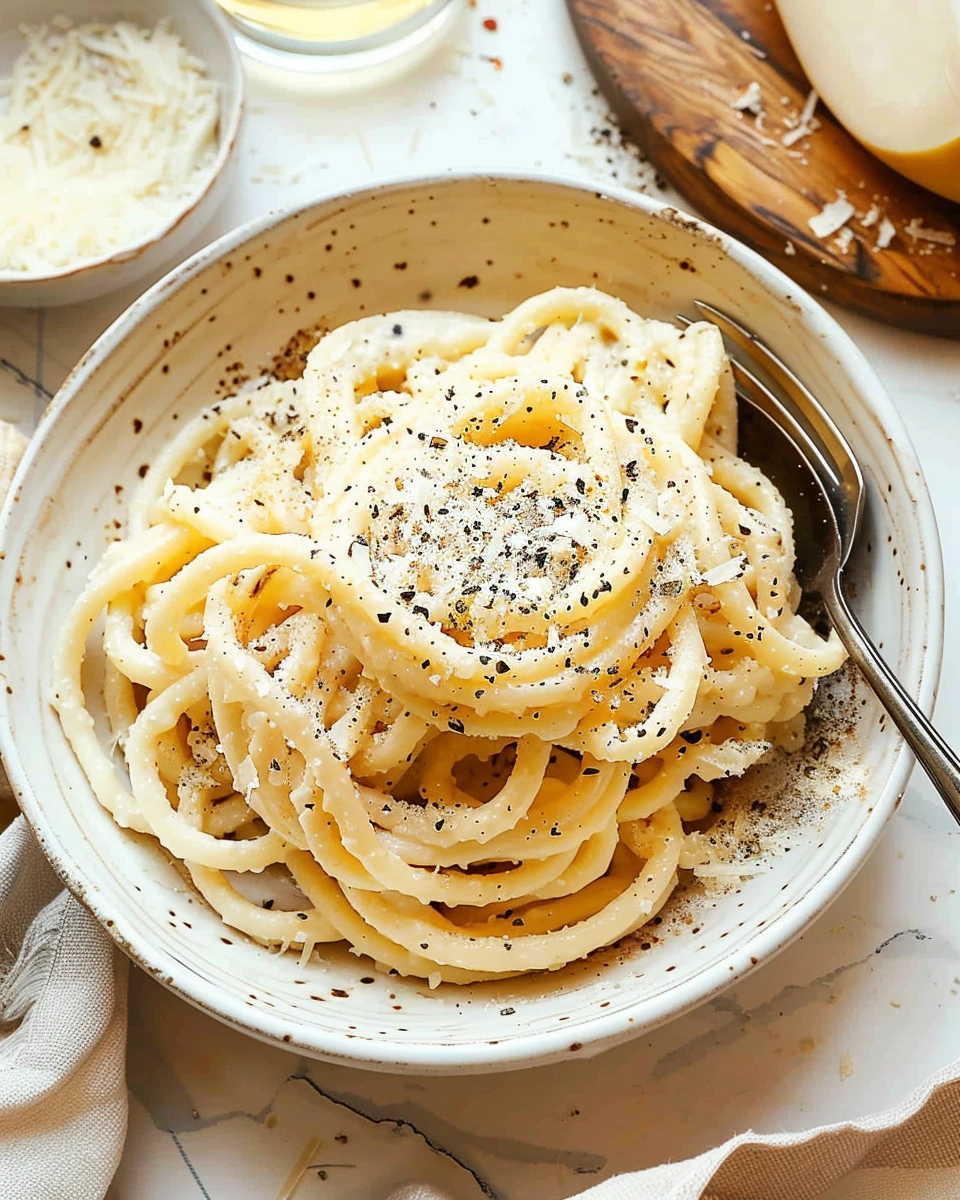
Cacio e Pepe looks simple, but it’s one of the easiest pasta dishes to mess up. Too dry, clumpy cheese, or a sauce that breaks instead of turning silky—these are common problems that make people think this recipe is harder than it really is.
This cacio e pepe recipe shows you how to make the classic Roman pasta the right way: creamy without cream, bold without heavy ingredients, and perfectly balanced with just pasta, cheese, and black pepper. When done right, it’s comforting, elegant, and deeply satisfying.
I’ve cooked cacio e pepe many times, testing heat levels, cheese ratios, and techniques until the sauce came together smoothly every time. In this post, you’ll learn the exact steps, timing, and tips to get restaurant-quality results at home—no stress required.
Why You’ll Love This Recipe
-
Only a few ingredients, but big flavor
-
Creamy without cream
-
Quick and affordable
-
Classic Italian comfort food
-
Perfect for weeknights or date nights
Ingredients & Prep
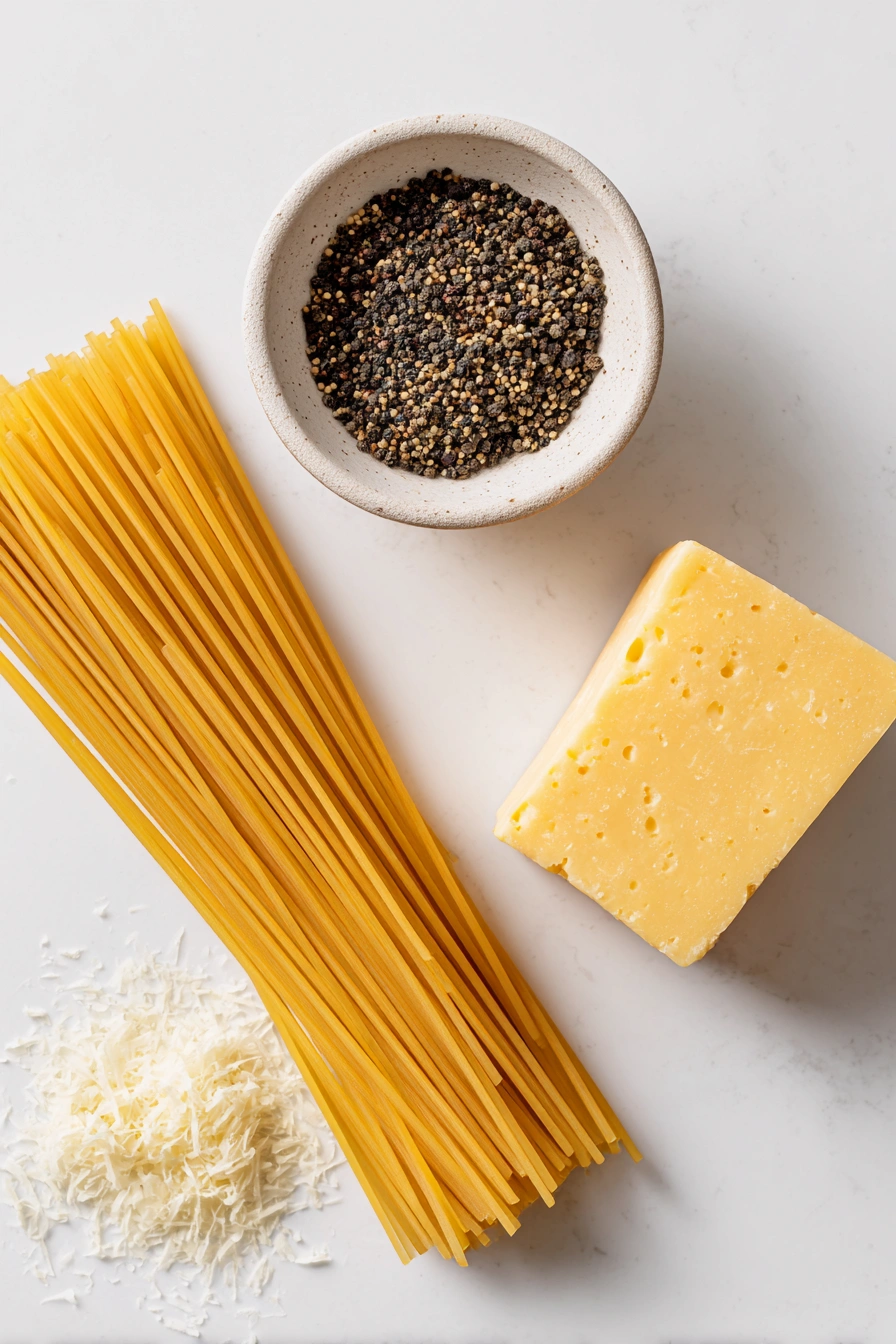
Cacio e pepe relies on quality ingredients and proper prep.
Main Ingredients Prep
-
Pasta – Spaghetti, tonnarelli, or bucatini work best
-
Pecorino Romano cheese – Finely grated so it melts smoothly
Seasonings, Sauces, or Flavor Base
-
Freshly cracked black pepper – The star of the dish
-
Pasta water – Essential for creating the sauce
Pantry Staples
-
Salt – For pasta water (use less than usual since the cheese is salty)
Step-by-Step Cooking Instructions
Cacio e pepe comes together fast, so timing matters.
Pre-Cooking Prep
-
Finely grate the Pecorino Romano and set aside.
-
Crack black pepper generously using a pepper mill.
-
Bring a pot of water to a boil and lightly salt it.
Cooking Method
-
Cook pasta until al dente according to package directions.
-
Reserve at least 1½ cups of pasta water before draining.
-
In a large pan over medium heat, toast black pepper for 30–60 seconds until fragrant.
-
Add about ½ cup pasta water to the pepper and simmer briefly.
-
Add drained pasta to the pan and toss to coat.
-
Remove pan from heat.
-
Gradually add grated Pecorino while tossing, adding small amounts of pasta water as needed.
-
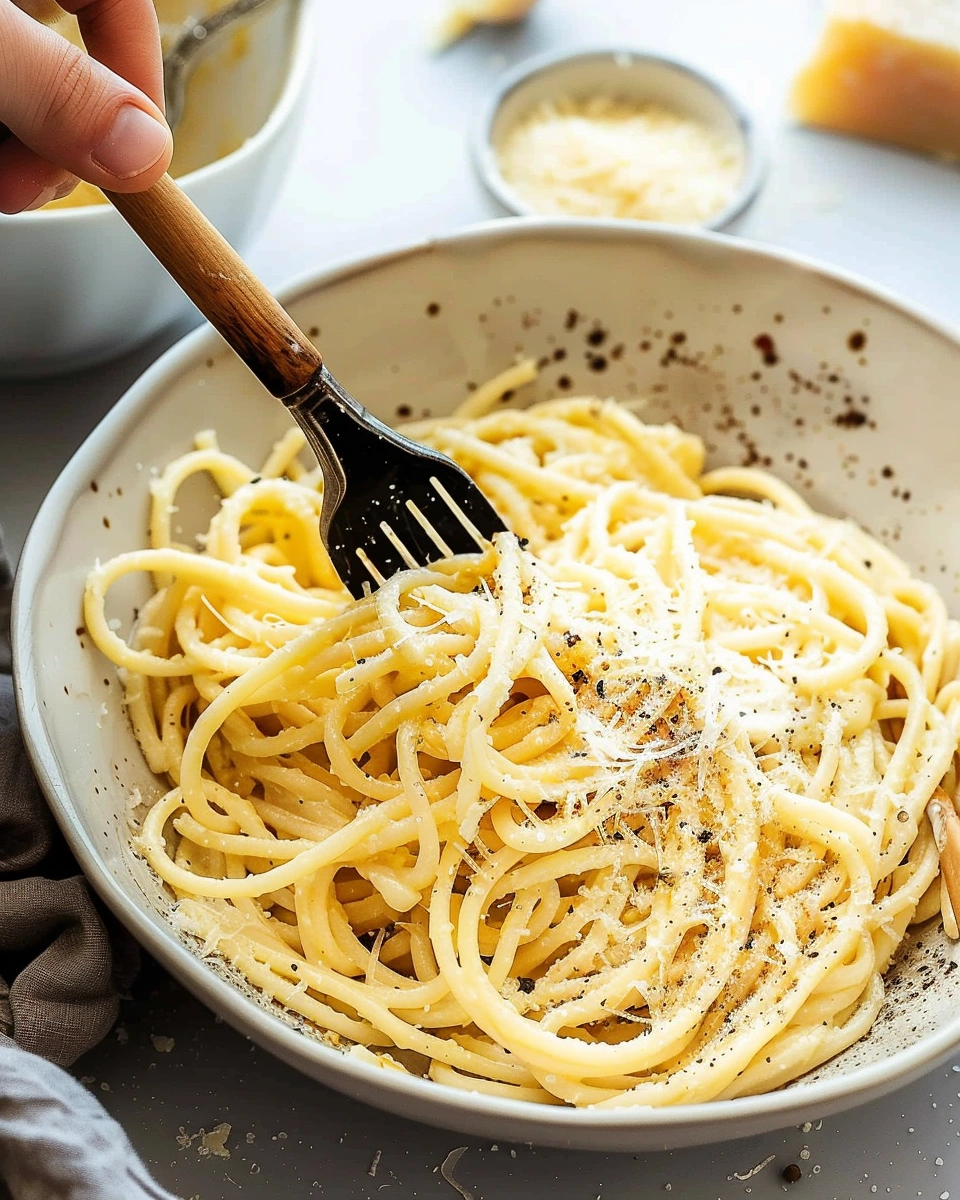
Toss continuously until a smooth, creamy sauce forms.
Doneness or Texture Check
-
Sauce should coat the pasta evenly
-
Texture should be silky, not clumpy
-
No visible unmelted cheese
Resting or Final Touches
Let the pasta sit for 30–60 seconds, then toss once more. Finish with extra black pepper and a light sprinkle of Pecorino.
Pro Tips for Perfect Results
Common Mistakes to Avoid
-
Adding cheese over high heat – Causes clumping
-
Using pre-grated cheese – Won’t melt properly
-
Skipping pasta water – The sauce depends on it
Recommended Tools
-
Large pot
-
Wide sauté pan
-
Microplane or fine grater
-
Tongs
Storage & Reheating Tips
-
Best eaten immediately
-
Reheating is not recommended
-
If needed, reheat gently with extra pasta water
Flavor Variations
While classic cacio e pepe is simple, small twists can work.
Spicy Version
-
Add extra cracked black pepper
-
Stir in a pinch of crushed red pepper
Healthy / Special Diet Option
-
Use whole wheat pasta
-
Reduce cheese slightly and add more pasta water
-
Use gluten-free pasta with careful stirring
Global Flavor Twist
-
Add lemon zest for brightness
-
Finish with cracked pink peppercorns
-
Mix in sautéed mushrooms for depth
Serving Suggestions
Cacio e pepe pairs best with light sides.
Side dishes
-
Simple arugula salad
-
Roasted vegetables
-
Grilled asparagus
Drinks, sauces, or toppings
-
Extra cracked black pepper
-
Additional grated Pecorino
FAQs
Can I make this ahead of time?
No. Cacio e pepe is meant to be served immediately. The sauce will tighten and lose its creamy texture if it sits.
How do I fix common mistakes?
-
Clumpy sauce: Add more warm pasta water and toss off heat
-
Too salty: Use less cheese and unsalted pasta water next time
-
Too dry: Add pasta water a tablespoon at a time
Conclusion
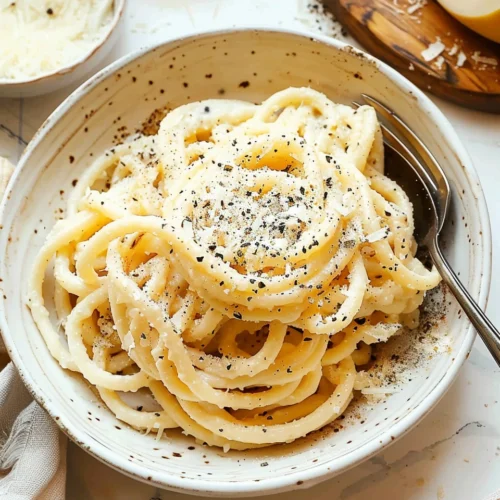
Cacio e pepe proves that simple ingredients can create incredible flavor when handled correctly. With just pasta, cheese, pepper, and water, you get a dish that’s comforting, elegant, and endlessly satisfying.
Once you master this recipe, it becomes a go-to meal you can make anytime with confidence. Save it, practice it, and if you enjoy classic Italian comfort food, try carbonara or pasta alla gricia next. Sometimes the simplest dishes are the most rewarding.
Cacio e Pepe
Ingredients
- 12 oz pasta spaghetti, bucatini, or tonnarelli
- 1½ cups finely grated Pecorino Romano cheese
- 1½ –2 teaspoons freshly cracked black pepper to taste
- Salt for pasta water – use lightly
Instructions
- Bring a large pot of water to a boil and salt it lightly.
- Cook pasta until al dente according to package directions.
- Reserve at least 1½ cups pasta water, then drain pasta.
- In a wide pan over medium heat, toast the black pepper for 30–60 seconds until fragrant.
- Add about ½ cup pasta water to the pan and simmer briefly.
- Add drained pasta and toss to coat in the pepper water.
- Remove pan from heat.
- Gradually add grated Pecorino Romano while tossing continuously.
- Add pasta water a little at a time until a smooth, creamy sauce forms.
- Toss until pasta is evenly coated and glossy.
- Rest 30–60 seconds, toss once more, and serve immediately.
Notes
- Always add cheese off heat to prevent clumping.
- Finely grated Pecorino Romano melts best—avoid pre-shredded cheese.
- Pasta water is essential for emulsifying the sauce, so don’t skip it.