How to Make Flatbread Without Guesswork
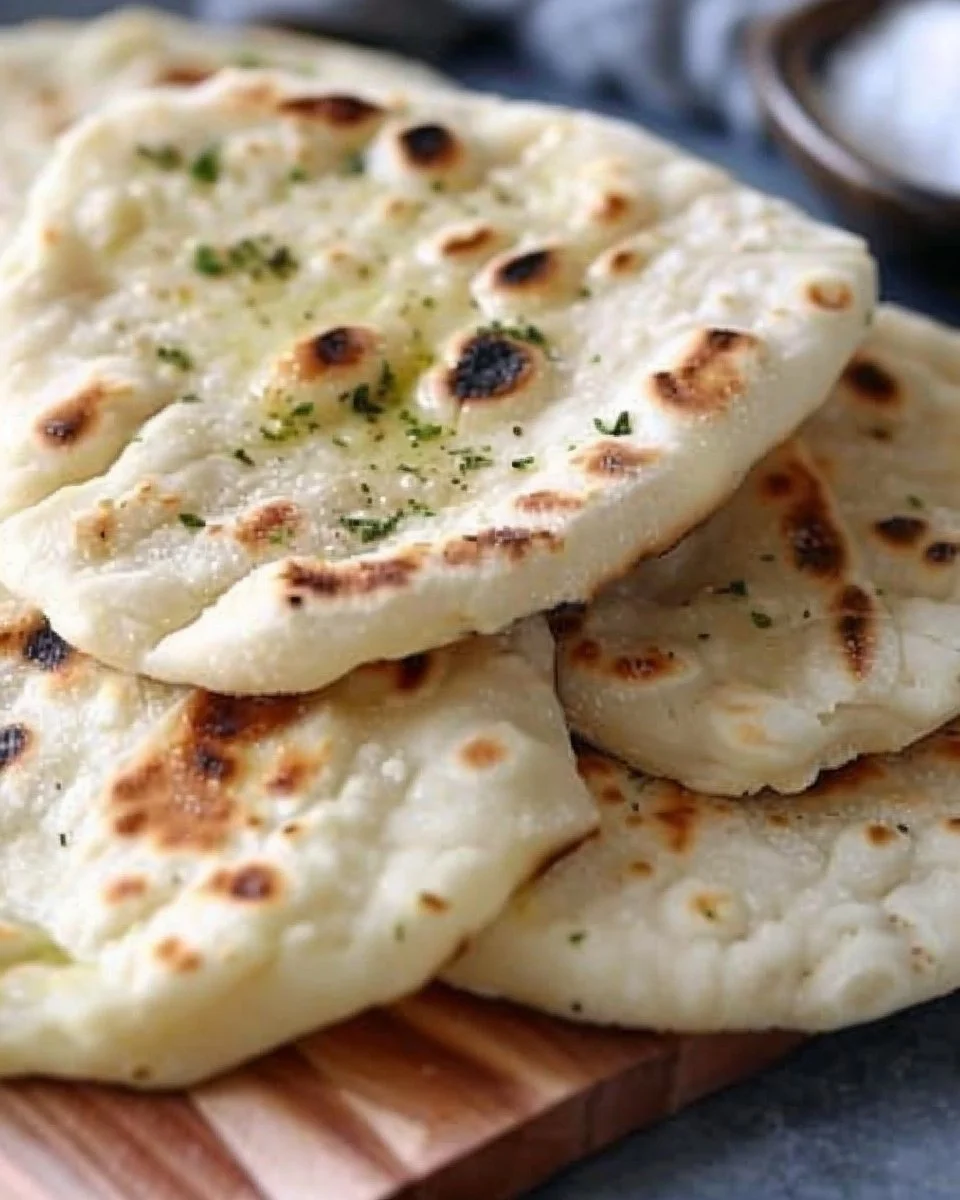
How to Make Ingredient Flatbread Without the Guesswork
Have you ever found yourself craving fresh, warm flatbread but unsure how to make it without fumbling through a lengthy recipe? You’re not alone! The idea of creating something delicious from scratch can be overwhelming, especially when it feels like you need a culinary degree to pull it off. That’s where mastering flatbread comes into play. In this guide, I’ll show you how to make ingredient flatbread without the guesswork, so you can serve up homemade goodness that impresses friends and family alike.
The Delicious World of Flatbread
Flatbreads have a rich history and are a cornerstone in many cultures worldwide. From Middle Eastern pita to Indian naan, these versatile breads are often the unsung heroes of a meal. Flatbreads are not only easy to make but also serve as a wonderful canvas for flavors, toppings, and dips.

Why You Should Embrace Homemade Flatbread
Making flatbread at home offers multiple advantages:
- Control Over Ingredients: You can customize the flavors and ensure you’re using fresh, wholesome ingredients.
- Cost-Effective: It’s typically cheaper to make flatbread than to buy pre-packaged options.
- Freshness Guaranteed: There’s nothing quite like the aroma of bread baking in your kitchen, filling the air with warmth.
- Endless Variations: Feel free to experiment with different herbs, grains, and toppings to create your ideal flatbread.
Essential Ingredients for Flawless Flatbread
Before diving into the process, it’s important to gather the right ingredients. Here’s what you’ll need:
- Flour: All-purpose flour is most common, but feel free to swap in whole wheat or gluten-free options.
- Water: Warm water helps activate the dough.
- Salt: Essential for flavor.
- Oil: Olive oil is preferred for its taste and texture, but any neutral oil will do.
- Baking Powder (optional): If you want a slightly thicker, puffier flatbread.
These basic components yield a delightful flatbread that serves as a perfect side or vessel for various dishes.
Step-by-Step Guide to Making Flatbread
Creating flatbread is simpler than you might think. Follow this straightforward method for assured success:
- Mixing the Ingredients: In a large bowl, combine 2 cups of your chosen flour, 1 teaspoon of salt, and 1 teaspoon of baking powder (if using). Gradually add 3/4 cup of warm water and 1 tablespoon of oil. Stir until a rough dough forms.
- Kneading the Dough: Turn the dough onto a floured surface, kneading for about 5-7 minutes until it becomes smooth and elastic. Don’t skip this step, as proper kneading ensures a nice texture.
- Resting the Dough: Cover the dough with a damp cloth or plastic wrap and let it rest for 30 minutes. This helps the gluten relax, making it easier to roll out later.
- Dividing the Dough: Once rested, divide the dough into 6-8 equal portions (depending on how large you’d like your flatbreads). Roll each portion into a ball.
- Rolling the Flatbreads: On a lightly floured surface, use a rolling pin to flatten each ball into a circle about 1/4 inch thick. Adjust the thickness based on your personal preference.
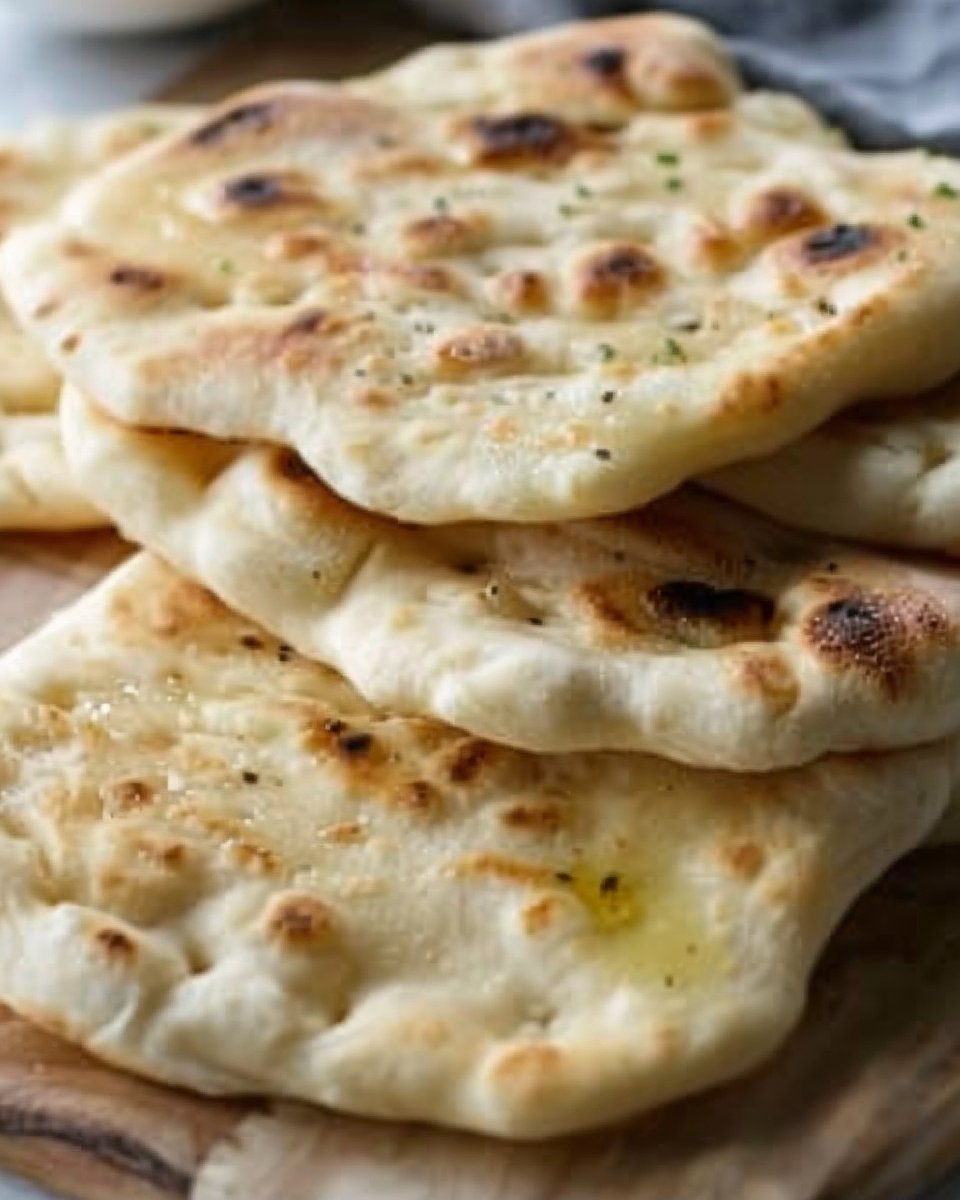
- Cooking: Heat a skillet or frying pan over medium-high heat. Once hot, place your rolled flatbread into the pan and cook for about 1-2 minutes on each side until you see golden brown spots. Adjust the heat as necessary to avoid burning.
- Keeping Warm: Once cooked, keep the flatbreads warm by placing them in a clean kitchen towel until you’re ready to serve.
Pro Tips for Perfect Flatbread
- Don’t Overwork the Dough: The goal is a soft, pliable dough. Over-kneading will create a tough texture.
- Experiment with Add-Ins: Consider incorporating herbs, garlic, or spices into the dough for added flavor.
- Use a Cast Iron Skillet: If you have one, cast iron distributes heat evenly for perfect browning.
- Adjust Thickness: If you prefer a fluffier flatbread, increase the thickness when rolling out.
Common Mistakes to Avoid
Making flatbread is straightforward, but some pitfalls can lead to disappointing results:
- Too Much Flour: Adding excess flour can make your dough dry. Start with less and add only as necessary during kneading.
- Not Enough Rest Time: Rushing the resting phase can result in elastic dough that’s hard to roll out.
- Under or Overcooking: Keep an eye on the cooking process. Each stove may vary, so watch for golden brown spots to ensure they’re fully cooked.
Serving Suggestions for Your Flatbread
Homemade flatbread is incredibly versatile. Here are just a few serving ideas to inspire you:
- Served warm with hummus or tzatziki for dipping.
- Use them as wraps for your favorite fillings or sandwich ingredients.
- Cut into triangles and bake for crispy chips to accompany soups or salads.
- Layer with grilled vegetables and cheese for a delightful flatbread pizza.
Caring for Your Flatbread
If you have leftovers (though it’s hard to imagine that happening), store your flatbread in an airtight container at room temperature for 1-2 days. For longer storage, consider freezing them between layers of parchment paper, ensuring they remain fresh for future meals.
Healthy Flatbread Alternatives
If you’re health-conscious, you can explore various alternatives:
- Zucchini Flatbread: Replace flour with finely grated zucchini for a low-carb option.
- Cauliflower Flatbread: Use cauliflower rice mixed with cheese and eggs for a gluten-free iteration.
- Chickpea Flour Flatbread: An excellent protein-rich option that complements a variety of cuisines.
Frequently Asked Questions
How to make ingredient flatbread without the guesswork?
Start with basic ingredients like flour, water, salt, and oil. Follow a simple step-by-step method that includes mixing, kneading, resting, rolling, cooking, and enjoying. You’ll soon master the technique!
Can I use whole wheat flour for flatbread?
Absolutely! Whole wheat flour creates a denser texture but adds nutritional benefits. Just be sure to adjust the hydration slightly, as whole wheat requires more water.
What is the best way to store leftover flatbread?
Keep your flatbread wrapped in foil or in an airtight container at room temperature for 1-2 days, or freeze for longer storage.
What variations can I make to flatbread?
Feel free to experiment by adding herbs, spices, or garlic into the dough, or try different types of flour for unique flavors.
Is flatbread healthy?
Flatbreads can be a healthy choice, particularly when made with whole grains and minimal additives. They serve as a versatile, low-fat alternative to traditional bread products.
Conclusion
Making ingredient flatbread at home doesn’t have to be a daunting task filled with uncertainty. With a few simple steps and some creativity, you can whip up delicious, fresh bread that enhances any meal. The satisfaction of serving something homemade is unmatched, and soon you’ll find yourself mastering flavors and textures tailored just for you. So roll up your sleeves, gather your ingredients, and dive into the wonderful world of flatbread-making. Happy baking!
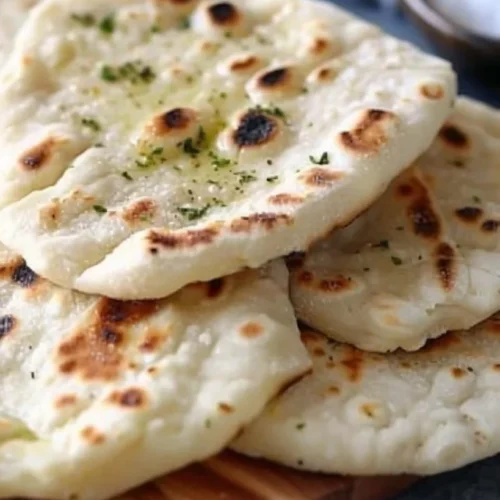
Homemade Flatbread
Ingredients
Dough Ingredients
- 2 cups All-purpose flour (or whole wheat/gluten-free) Feel free to swap based on preference.
- 1 teaspoon Salt Essential for flavor.
- 1 teaspoon Baking Powder (optional) For a thicker, puffier flatbread.
- 3/4 cup Warm water Helps activate the dough.
- 1 tablespoon Oil (Olive oil preferred) Any neutral oil will work.
Instructions
Preparation
- In a large bowl, combine flour, salt, and baking powder (if using).
- Gradually add warm water and oil. Stir until a rough dough forms.
- Turn the dough onto a floured surface and knead for 5-7 minutes until smooth and elastic.
- Cover the dough with a damp cloth and let it rest for 30 minutes.
- Divide rested dough into 6-8 equal portions and roll each into a ball.
Cooking
- On a lightly floured surface, roll each ball into a circle about 1/4 inch thick.
- Heat a skillet over medium-high heat and cook each flatbread for 1-2 minutes on each side until golden brown.
- Keep cooked flatbreads warm in a clean kitchen towel.